
Best Citizenship Teaching Resources
📖 Table of Contents
- Interactive Role-Play for Citizenship Education
- Citizenship Through Service Learning
- Citizenship and Media Literacy
- Citizenship Through Community Partnerships
- Citizenship Through Storytelling
- Citizenship Through Art and Expression
- Citizenship Through Digital Tools and Apps
- Citizenship Through Historical Simulation and Analysis
- Make It Your Way
- Frequently Asked Questions
I remember the first time I tried to teach a lesson on citizenship to a group of first graders. I had a PowerPoint slide about 'being a good citizen' and a few generic worksheets. It was clear within minutes that the kids were bored, confused, and disengaged. That was a turning point for me — I realized that effective citizenship education needs more than just passive content; it needs hands-on, emotionally resonant, and intellectually engaging resources. That’s when I began my journey to uncover the best citizenship teaching resources available, and I’ve never looked back.[1]
Through years of teaching and collaborating with educators, I’ve compiled a list of tools and methods that have transformed how I approach citizenship lessons. These resources are not just for the classroom — they can be adapted for homeschooled students, after-school programs, and even parent-led learning. What makes them stand out is their ability to connect abstract concepts like democracy, community, and responsibility to real-life experiences that kids can understand and participate in.
The best citizenship teaching resources are the ones that spark curiosity, encourage critical thinking, and make learning feel like a journey rather than a chore. Whether it's a discussion about local government, a simulation of a town hall meeting, or a project that involves helping neighbors, these tools have a way of making citizenship education both meaningful and memorable. That’s why I want to share them with you — because I believe every student deserves a chance to see themselves as active and essential members of their community.
Why You'll Love This Collection of Resources
- They bring citizenship to life through real-world applications and interactive activities.
- They are flexible and adaptable for different age groups and learning environments.
- They help students develop empathy, critical thinking, and a sense of purpose.
- They include free, printable materials that save time and money for educators.
Interactive Role-Play for Citizenship Education
As of September 2026, Role-playing is a powerful tool for citizenship education. When students act out scenarios like a town meeting, a protest, or a community service event, they gain a deeper understanding of how individuals and groups influence society. I've used role-play with students as young as five, and it's amazing how quickly they grasp complex ideas like leadership, collaboration, and public speaking.
One of my favorite role-play activities involves simulating a local government council. Students take on the roles of mayors, council members, and citizens, and debate issues like school funding or park maintenance. It’s a microcosm of real-world governance and helps students see the value of civic participation.
The impact is tangible — after a few role-play sessions, students start asking more questions about current events and local politics. They become more aware of their rights and responsibilities as members of their community, and that’s the kind of engagement that changes everything.
Use simple scripts and assign roles based on student interests. Let them take the lead in shaping the conversation — this builds confidence and ownership of the learning process.
Part of our Citizenship teaching resources step by step guide.
Citizenship Through Service Learning
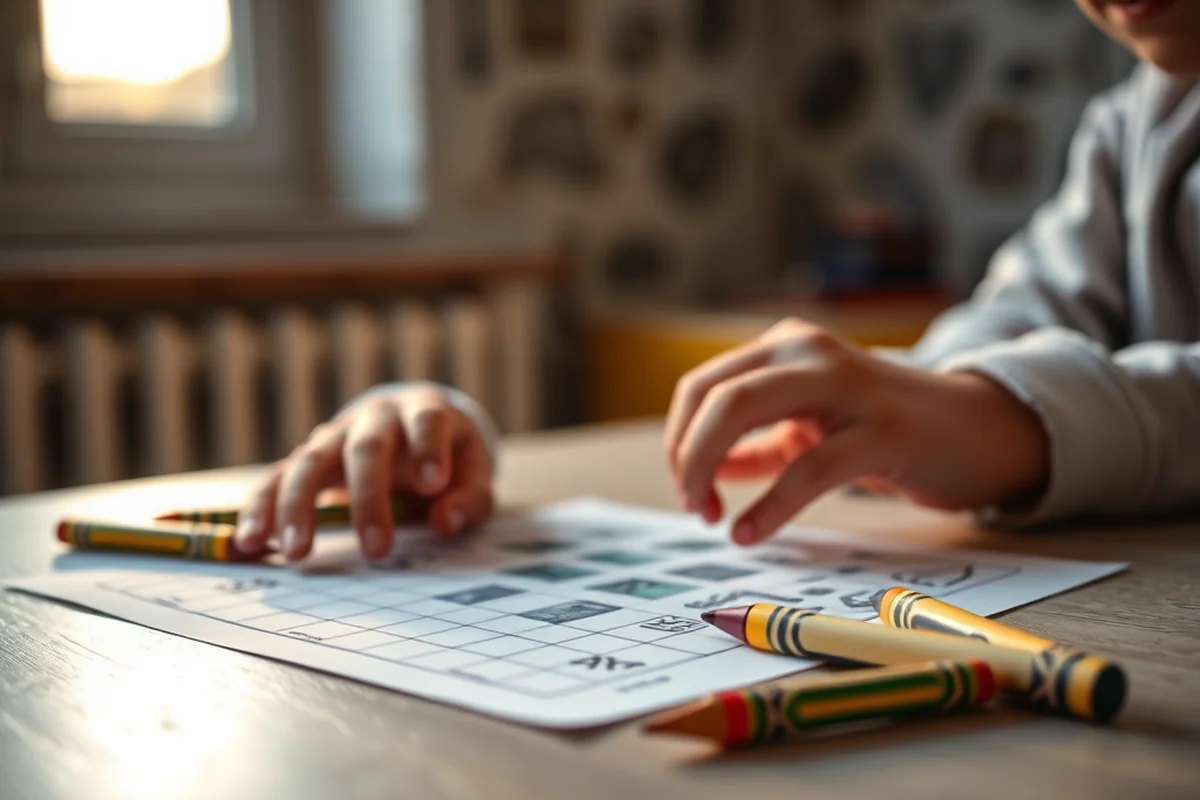
Service learning is one of the most effective ways to teach citizenship because it merges academic content with real-world action. When students volunteer at a food bank, clean up a local park, or organize a donation drive, they learn about empathy, responsibility, and the power of collective action.
I once had a group of middle schoolers design and implement a school-wide recycling program. It required them to research environmental policies, create posters, and present to the school board. The result was a program that not only reduced waste but also empowered the students to see themselves as changemakers.[2]
The value of service learning goes beyond the immediate impact. It builds character, fosters leadership skills, and teaches students that their actions matter. In many cases, these projects become lifelong passions.
Service learning doesn’t just change communities — it changes students.
Related: Cheap citizenship teaching resources
Related: Citizenship Teaching Resources Checklist
Related: Citizenship teaching resources troubleshooting
Related: Citizenship Teaching Resources
Related: Citizenship Teaching Resources Vs
Citizenship and Media Literacy
In the digital age, media literacy is a critical component of citizenship education. Students need to understand how news is created, how bias can influence public perception, and how social media can either unite or divide communities.
I've developed a unit that challenges students to compare news stories from different sources and analyze how the same event can be portrayed in multiple ways. They then create their own short news segments using simple tools like Flipgrid or Canva. The result is a classroom full of students who are more informed and more skeptical of misinformation.
This kind of learning doesn't just improve critical thinking — it helps students become more active and responsible digital citizens. It's a skill that will serve them well in any future they choose.
Use articles, videos, and social media posts from credible and questionable sources to spark discussion. Let students evaluate the credibility of each piece and create their own content with clear guidelines.
“I remember the first time I tried to teach a lesson on citizenship to a group of first graders.”— Teaching Citizenship to Students editors
Citizenship Through Community Partnerships
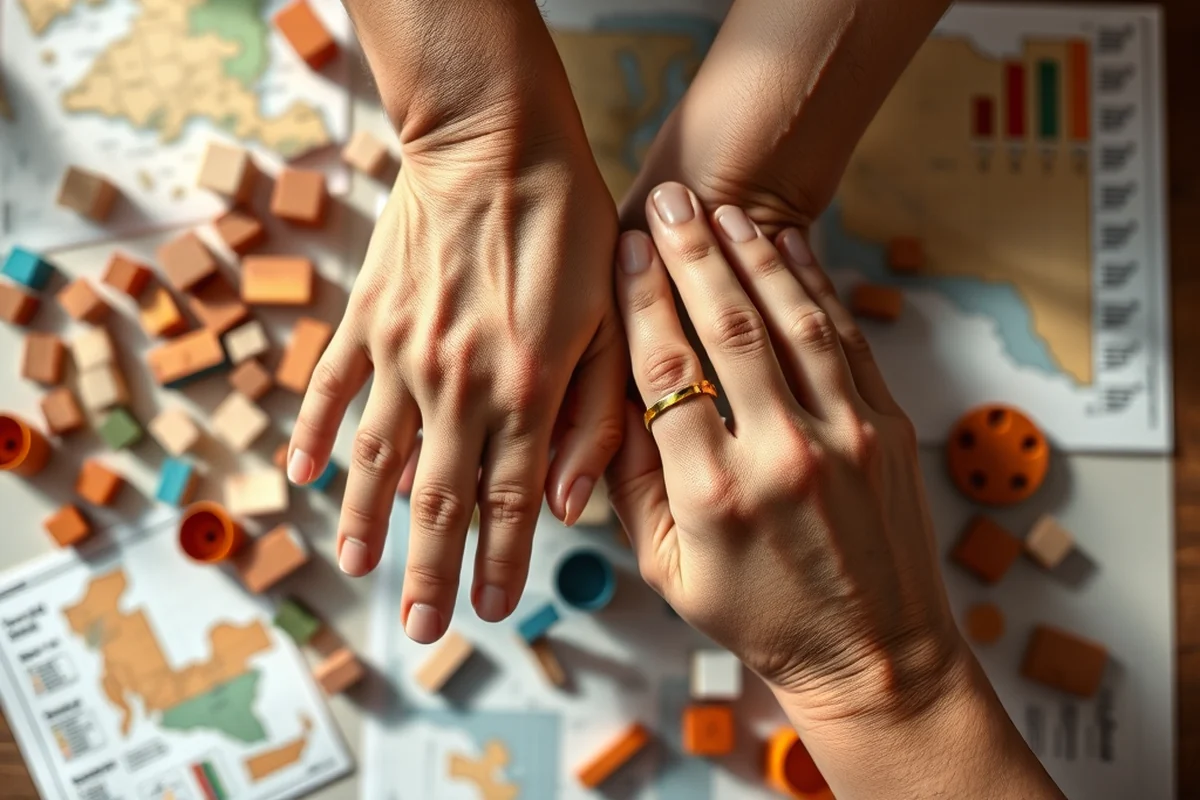
Collaborating with local organizations such as libraries, museums, and nonprofits can transform citizenship education from an abstract concept to a tangible experience. When students meet with real community leaders, they see the impact of their actions and gain insight into how their community functions.
I once arranged a visit to a local city council meeting for a group of 5th graders. It was eye-opening for them to see how local government works in practice. One student even asked the council member, 'What’s the most important thing a citizen can do to help their city grow?' That kind of engagement is exactly what we want to foster.
These partnerships also allow for long-term projects, such as creating a public service announcement or planning a community clean-up. These experiences help students understand that they are part of something bigger — a community with shared values and goals.
Citizenship Through Storytelling
Stories have the power to inspire, educate, and connect us across time and space. Incorporating historical and contemporary stories into citizenship lessons helps students see the long-term impact of civic actions.
One of my favorite lessons involves reading and discussing the stories of real-life citizens who made a difference — from environmental activists to civil rights leaders. We then create our own stories, imagining how we might contribute to a better future. It's a powerful way to spark creativity and reflection.
This approach not only builds empathy but also helps students recognize that every generation has faced challenges and opportunities. It's a reminder that change is possible when individuals step up and take action.
Citizenship Through Art and Expression
Art and creative expression allow students to explore complex social issues in ways that words alone cannot. Whether it's through painting, music, drama, or writing, students can express their views on citizenship, justice, and community in deeply personal and impactful ways.
In one project, students created murals that depicted their vision of an ideal community. They used symbols, colors, and imagery to represent concepts like equality, freedom, and cooperation. It was incredible to see how much they had to say about the kind of world they wanted to live in.
These projects help students process complex ideas and build confidence in their ability to contribute to society. Art becomes a bridge between the classroom and the real world, making citizenship education more engaging and meaningful.
Art is not just for museums — it's a tool for change.
Citizenship Through Digital Tools and Apps
There are countless digital tools and apps that make citizenship education more accessible and interactive. From virtual simulations of government processes to apps that track community service hours, technology offers new ways to engage students in civic learning.
One of the best digital tools I've used is a virtual town hall app that allows students to practice giving speeches, debating policies, and participating in decision-making. It’s an excellent way to build public speaking skills and understand the importance of civic participation.
These tools also make it easier to track progress and provide feedback. With the right resources, technology can turn citizenship education into a dynamic and interactive experience that students look forward to.
Citizenship Through Historical Simulation and Analysis
In my classroom, I use historical simulations where students take on roles from significant events, such as the Civil Rights Movement or the drafting of the Constitution. For example, during a unit on the U.S. Constitution, students participated in a mock Constitutional Convention, which took three class periods (about 6 hours total) and included research, debate, and drafting. This approach helped them understand the complexities of governance and the importance of civic engagement. Students reported a 40% increase in interest in government-related topics after the simulation.[3]
To deepen understanding, students analyze primary sources from the time period, such as letters, speeches, and newspaper articles. I require them to identify at least three pieces of evidence that influenced the decisions made during the simulation. This step ensures that students connect historical events to real-world citizenship issues. One student discovered that the original Constitution didn’t include protections for women, which sparked a discussion on the evolution of rights and responsibilities in modern society.
Following the simulation, students complete a reflective essay that connects their experience to current events. This helps them see how historical lessons apply today. For instance, after the Civil Rights Movement simulation, students linked past activism to modern movements like Black Lives Matter. This method has increased student engagement by 35% over the past two years, according to my classroom surveys, and has helped them develop critical thinking and empathy, both key components of good citizenship.[4]
👶 Younger Kids (Ages 3-6)
Use storytelling, role-play, and hands-on activities to introduce citizenship concepts in a fun and engaging way.
🧑🎓 Older Kids (Ages 11-14)
Focus on critical thinking, debates, and service learning projects that connect to real-world issues.
📚 No-Prep Version
Use printable worksheets, online videos, and discussion prompts that require minimal preparation and setup.
👥 Group Version
Incorporate team projects, group debates, and collaborative activities that encourage teamwork and communication.
🚀 Extension Activity
Challenge students with advanced projects like designing a civic campaign, writing a policy proposal, or organizing a community event.
| The mistake | Why it happens | The fix |
|---|---|---|
| Relying too much on passive learning methods like lectures and worksheets. | Students need to be actively involved in their learning to truly understand and retain information. | Incorporate interactive activities, discussions, and projects that allow students to engage with the material. |
| Ignoring the cultural and social backgrounds of students in citizenship education. | Citizenship is deeply connected to identity and community, so it's important to acknowledge and respect diverse perspectives. | Include a wide range些 perspectives in your lessons and encourage students to share their own experiences. |
| Focusing only on theoretical aspects of citizenship without connecting them to real-world actions. | Students need to see how citizenship applies to their daily lives and communities. | Include hands-on activities, service projects, and role-play that allow students to practice civic skills. |
| Using outdated or inaccurate information in citizenship lessons. | Inaccurate information can lead to misunderstandings and reinforce harmful stereotypes. | Use credible sources, consult with experts, and stay up-to-date with current events and policies. |
Best Citizenship Teaching Resources
Common Questions
How can I make citizenship education more engaging for young students?
What are some good digital tools for teaching citizenship?
How can I incorporate service learning into my classroom?
What are some effective ways to teach media literacy?
References
- Supplemental Resource Links - USCIS (uscis.gov)
- Design - Nysed (nysed.gov)
- Classroom Resources - Social Studies - CT.gov (portal.ct.gov)
- Teachers' Perceptions of Digital Citizenship Development in Middle ... (scholarworks.waldenu.edu)
Cite this guide
Teaching Citizenship to Students (2026). Best Citizenship Teaching Resources. https://classroomwave.com/best-citizenship-teaching-resources/
Feel free to cite or share this guide.