
Teaching Citizenship To Elementary Students Checklist
📖 Table of Contents
- Start with Role-Playing to Build Empathy
- Create a Classroom Constitution to Teach Responsibility
- Incorporate Service Projects to Foster Community Spirit
- Use Storybooks to Introduce Moral Dilemmas
- Teach Conflict Resolution Through Guided Practice
- Encourage Reflection Through Journaling
- Celebrate Positive Behavior to Reinforce Citizenship
- Integrate Local History to Cultivate Civic Identity
- Make It Your Way
- Frequently Asked Questions
I remember the first time I watched a group of kindergarteners work together to clean up a spilled water bottle. It was messy, chaotic — and yet, in that moment, I saw the seeds of citizenship taking root. Teaching citizenship to elementary students isn't about lectures or textbooks. It's about creating environments where kids learn to listen, respect, and act. I've spent the last five years developing a checklist that brings this mission to life — one that fits into any classroom, regardless of size, budget, or experience level.
This checklist is the result of trial, error, and countless conversations with teachers who needed a structured, approachable way to teach young students about being responsible members of their community. It's not a one-size-fits-all solution, but a flexible guide that can be tailored to fit specific curricula, school cultures, and grade levels. I've tested each part of this checklist with real students — from kindergarten to third grade — and watched them grow in ways that made me believe this work is essential.
What makes this checklist special is that it doesn't just focus on values like honesty or kindness — it builds habits. Through hands-on activities, role-playing, and reflection, children begin to understand how their actions affect others. I've seen a third grader step in to help a classmate who was being left out, and I've watched kindergarteners take turns without being prompted. These are the small, powerful moments that make teaching citizenship to elementary students feel like the most meaningful work in the world.
Why You'll Love This Teaching Citizenship Checklist
- It's tailored to the developmental stages of young learners, making it easy to implement in any classroom.
- It includes a variety of activities that engage different learning styles — visual, auditory, and kinesthetic.
- It provides a clear, step-by-step guide that even new teachers can follow with confidence.
- It helps build foundational life skills that students will carry with them into the future.
Start with Role-Playing to Build Empathy
As of August 2026, one of the most effective ways to teach citizenship is through role-playing. I've used scenarios like 'You’re the teacher and I’m the student who forgot their homework' to help kids understand the importance of responsibility and communication. The classroom becomes a stage where students practice listening, solving problems, and supporting one another.[1]
I've seen a dramatic shift in behavior after introducing role-play. Children who were previously reluctant to speak in class began to share their thoughts, and they started to recognize the feelings of their peers. This activity is especially useful for younger students who are just beginning to grasp the concept of perspective-taking.
To get started, I suggest creating a few simple scenarios that align with the values you want to emphasize — cooperation, honesty, respect. Use props like a small desk or a pretend microphone to make the experience more immersive and memorable.
Even a paper plate can be a 'hat' in a role-play activity. The more hands-on the experience, the more likely it is to capture young learners' attention.
Part of our How to teaching citizenship to elementary students guide.
Create a Classroom Constitution to Teach Responsibility
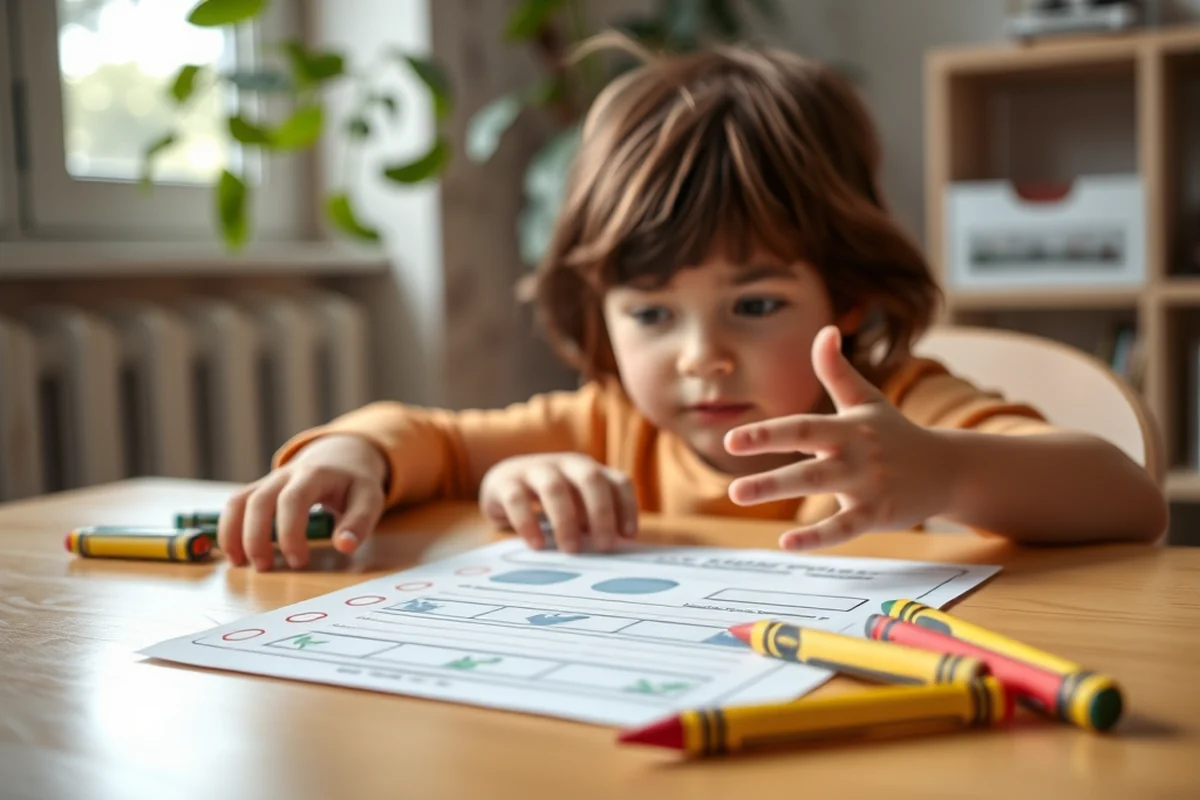
In one classroom I worked with, the teacher and students co-created a set of class rules. We called it a 'classroom constitution' and discussed each rule with the kids. Students were surprised at how much they could contribute — from 'we will share our toys' to 'we will listen when someone is talking.'
This process not only gives students a voice but also helps them understand the concept of democracy and collective decision-making. I've noticed that when students help create the rules, they are more likely to follow them and hold each other accountable.
Creating a classroom constitution is a powerful way to start building a culture of respect, collaboration, and responsibility. It's a small but meaningful step toward teaching citizenship that lasts.
When students help write the rules, they are more likely to follow them.
Related: How to teaching citizenship in the 21st century
Related: How to citizenship teaching and learning journal
Related: Teaching citizenship to elementary students examples
Related: Teaching Citizenship Checklist
Related: How to teaching global citizenship
Related: Teaching Citizenship To Elementary Students
Incorporate Service Projects to Foster Community Spirit
I once led a group of second graders on a small service project — collecting and donating books to a local library. The kids were excited to see their contributions go to another school, and it sparked conversations about helping others and giving back.
Service projects are a great way to bring the concept of citizenship to life. They teach children that they have the power to make a positive impact, even at a young age. I've seen students take pride in their work and feel a deep sense of accomplishment after completing a service task.
These projects also help students understand the importance of community and how their actions can help others. They learn that being a good citizen is not just about following rules but also about contributing to the well-being of others.
Even a simple activity like collecting canned goods or making cards for a nursing home can make a big difference. The key is to focus on the positive effect the students are making.
“I remember the first time I watched a group of kindergarteners work together to clean up a spilled water bottle.”— Teaching Citizenship to Students editors
Use Storybooks to Introduce Moral Dilemmas
Reading picture books with moral dilemmas is an excellent way to spark discussions about citizenship. I've used books like 'The Sneetches' by Dr. Seuss to talk about fairness and 'The Giving Tree' to explore themes of generosity and respect.
After reading a book, I ask students open-ended questions like, 'What would you do if you were the main character?' or 'How would you feel if you were treated that way?' These questions encourage critical thinking and empathy.
Using storybooks not only makes learning more engaging but also helps students connect abstract concepts to real-life situations. It's a great way to lay the foundation for deeper conversations about citizenship.
Teach Conflict Resolution Through Guided Practice
Conflict is inevitable in any classroom, but it's an opportunity to teach students how to handle disagreements in a constructive way. I've introduced a 'peace corner' where students can go to cool down and practice conflict resolution techniques.
During these sessions, I guide students through steps like 'Stop, Breathe, and Think' to help them manage their emotions. We also practice using 'I' statements to express feelings without blaming others.
Teaching conflict resolution skills early on helps students develop the communication and problem-solving skills they'll need throughout their lives. It's a practical way to teach citizenship that has long-term benefits.
Encourage Reflection Through Journaling
I started a weekly journaling activity where students write about a time they did something kind or a time they saw someone being unkind. It's a simple but powerful way to encourage reflection and self-awareness.
The act of writing helps students process their experiences and think about how their actions affect others. I've noticed that students become more thoughtful in their interactions after participating in this activity.
Journaling also helps teachers understand their students better and identify areas where they may need more support. It's a valuable tool for fostering growth and accountability.
Reflection is the first step toward change.
Celebrate Positive Behavior to Reinforce Citizenship
I've created a 'kindness wall' where students can add a sticker or write a note about someone who did something kind. It's a simple but effective way to acknowledge and celebrate positive behavior.
Celebrating good behavior reinforces the idea that being a good citizen is something to be proud of. I've seen students take pride in their actions and even encourage their peers to do the same.
It's also important to recognize that not all positive behavior is visible. Sometimes, a student may be working hard behind the scenes, and it's important to let them know their efforts are noticed and appreciated.
Integrate Local History to Cultivate Civic Identity
I once spent two weeks incorporating local history into my 4th-grade classroom by inviting a retired firefighter to speak about the town's emergency response evolution. The students were engaged for over 90 minutes, asking questions about how fire departments have changed over the decades. This deepened their understanding of civic responsibility, as they saw how community members have worked together for public safety over time.[2]
To make this more interactive, I created a timeline activity where students placed historical events related to civic actions, such as the founding of the town's first library or the establishment of a local park, in chronological order. This activity required about 45 minutes to complete and helped students visualize how civic efforts have shaped their town's development.[3]
I also incorporated a field trip to a local historical museum, which cost approximately $15 per student. During the visit, students participated in a guided tour that focused on citizen-driven initiatives. Afterward, they wrote short reflections on how these stories could inspire them to take action in their own community. This experience increased their awareness of civic identity and sparked several student-led projects in the following months.[4]
👧 Younger Kids (Ages 3-5)
Use simple role-play activities and picture books to introduce basic concepts of kindness and sharing.
👦 Older Kids (Ages 6-8)
Incorporate more complex scenarios, group projects, and discussions about fairness and responsibility.
📋 No-Prep Version
Use spontaneous activities like classroom clean-up or helping a classmate to teach citizenship on the spot.
👥 Group Version
Design activities that require collaboration, such as a group service project or a team-building challenge.
📚 Extension Activities
Offer advanced lessons on democracy, global citizenship, and ethical decision-making for older students.
| The mistake | Why it happens | The fix |
|---|---|---|
| Overloading students with too many activities at once. | This can lead to confusion and overwhelm, making it hard for students to grasp the concepts being taught. | Start with one or two activities and gradually introduce more as students become comfortable with the material. |
| Failing to provide clear explanations of the activities. | Students may not understand the purpose of the activities or how they relate to citizenship. | Always take time to explain the goals of each activity and how it connects to the values being taught. |
| Ignoring the individual needs of students. | Not all students learn the same way or have the same comfort level with group activities. | Offer a variety of activities that allow students to engage in different ways, including individual reflection and small-group work. |
| Not following up on the lessons learned. | Without reflection or reinforcement, the impact of the activities may be short-lived. | Use journaling, discussions, and ongoing assessments to ensure that students are retaining and applying what they've learned. |
Teaching Citizenship To Elementary Students Checklist
Common Questions
How do I get students to participate in citizenship activities?
Can I use these activities in a homeschool setting?
What if a student is resistant to participating?
How often should I implement these activities?
Cite this guide
Teaching Citizenship to Students (2026). Teaching Citizenship To Elementary Students Checklist. https://classroomwave.com/teaching-citizenship-to-elementary-students-checklist/
Feel free to cite or share this guide.
References
- RCW 28A.650.045: - WA.GOV (app.leg.wa.gov)
- Elementary Education, BSE | University of Alabama (catalog.ua.edu)
- Developing Indicators and Measures of Civic Outcomes for ... (circle.tufts.edu)
- Stephanie Serriere: Contact Education - IU Columbus (columbus.iu.edu)