
Teaching Good Citizenship Comparison
📖 Table of Contents
- What is Good Citizenship and Why It Matters
- The Power of Role-Playing in Teaching Citizenship
- Hands-On Projects: Making a Difference in the Community
- Using Literature to Teach Citizenship
- The Role of Reflection in Teaching Citizenship
- Creating a Citizenship-Focused Classroom Environment
- Engaging Families in Teaching Good Citizenship
- Make It Your Way
- Frequently Asked Questions
I remember the first time I tried to explain the concept of good citizenship to my students. It was during a classroom discussion on community service, and I noticed how confused some of the kids were. They didn’t understand why helping others was important, or how their actions could make a difference. That moment made me realize that teaching good citizenship isn’t just about giving a definition; it’s about creating a framework that makes abstract ideas tangible and meaningful for young minds. I had to find a way to connect the lesson to their everyday lives, and that’s when I started exploring different teaching strategies, comparing methods that worked and those that fell flat.[1]
Over the years, I’ve tested various approaches to teaching good citizenship, from role-playing exercises to community projects, and I’ve learned that no single method works for everyone. Some lessons resonate more with younger students, while others are better suited for older learners. I’ve also discovered that the most effective strategies are those that engage students in hands-on activities, encourage critical thinking, and provide real-world context. For instance, I once created a classroom mural where students painted scenes of their neighborhood, and it sparked incredible conversations about responsibility, respect, and cooperation. That experience taught me that the right approach can transform a simple lesson into a powerful learning experience.[2]
Now, I want to share what I’ve learned with other educators and parents who are looking for proven, practical methods to teach good citizenship. Whether you're a teacher planning a lesson, a parent trying to instill values at home, or someone who wants to contribute to a child’s development, this article will provide you with a comprehensive comparison of teaching strategies. I’ll walk you through the pros and cons of different approaches, highlight what works best in various settings, and offer insights based on my own classroom experiences. By the end, you’ll have a clearer idea of how to create a curriculum or lesson that not only teaches good citizenship but also inspires lasting change in young people.[3]
Why You'll Love This Teaching Approach
- Easy to implement with minimal preparation
- Encourages critical thinking and engagement
- Adaptable for different age groups and learning styles
- Provides measurable outcomes through student behavior and reflection
What is Good Citizenship and Why It Matters
As of September 2026, at its core, good citizenship is the practice of behaving in ways that benefit both individuals and the community as a whole. This includes following rules, respecting others, and participating in activities that help improve the world around us. Teaching this concept early helps children develop a sense of belonging and an understanding of their role in society.[4]
When I first introduced the idea of good citizenship in my classroom, I noticed that some students struggled to grasp the concept. They didn’t understand how their daily actions, like cleaning up after themselves or helping a classmate, could impact their environment. To make the lesson more relatable, I used real-life examples that mirrored their experiences, such as picking up litter in the schoolyard or organizing a classroom cleanup.
By the end of the unit, I saw a marked improvement in student behavior. They were more willing to follow rules, help others, and take ownership of their responsibilities. This shift in behavior was a clear indicator that teaching good citizenship can have real and lasting effects on children’s development and character.
Use real-life scenarios that students can relate to, such as cleaning up, sharing, or helping a friend, to help them understand what good citizenship looks like in action.
Part of our Teaching good citizenship guide guide.
The Power of Role-Playing in Teaching Citizenship
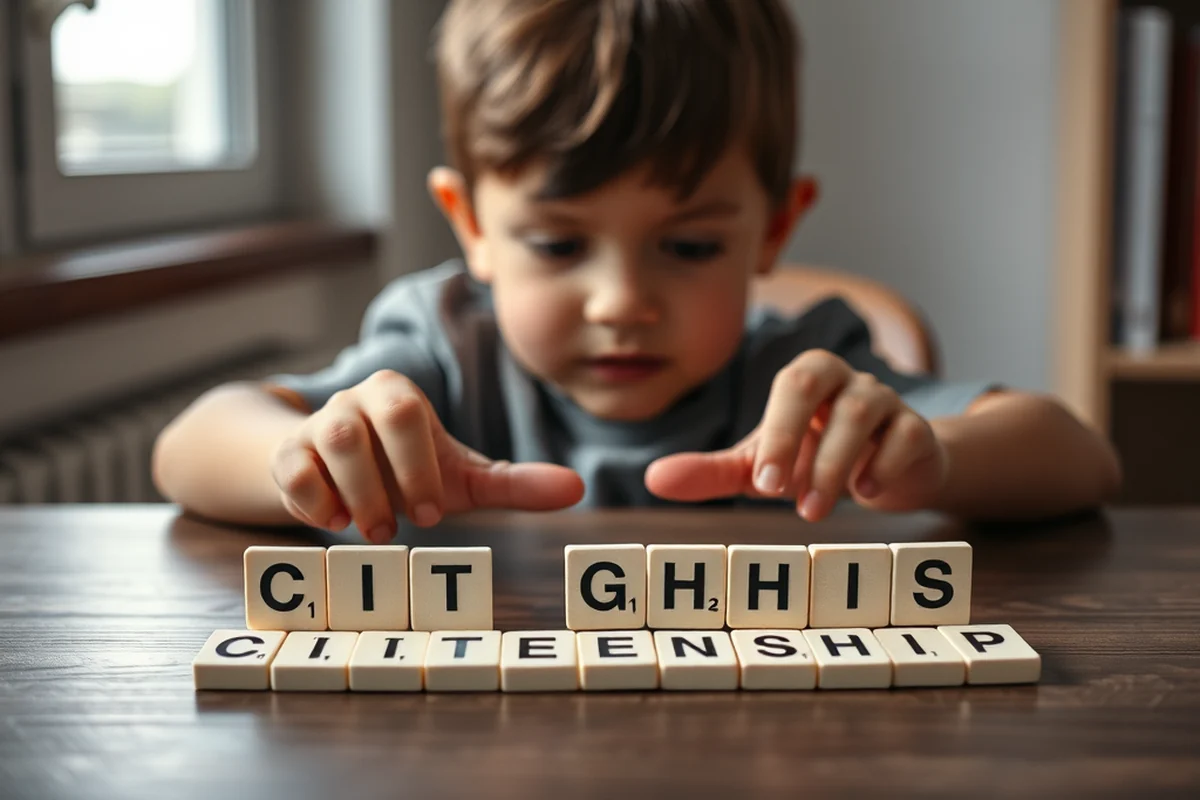
Role-playing is a powerful tool for teaching good citizenship. It allows students to step into someone else’s shoes and experience the world from a different perspective. I once used a role-playing activity where students acted out scenarios in which they had to resolve conflicts or help someone in need. The results were eye-opening.
During one session, a student who usually struggled with sharing was able to see, through role-playing, how another student felt when their toys were taken. This experience helped them understand the importance of respect and cooperation. By the end of the activity, the student was more willing to share and even took the initiative to help others in the classroom.
Role-playing not only makes learning engaging but also helps students build empathy and social skills. It's a dynamic way to teach citizenship concepts that go beyond traditional lectures and textbooks.
Role-playing doesn't just teach citizenship—it builds empathy.
Related: Cheap teaching good citizenship
Related: Teaching global citizenship vs
Related: Teaching good citizenship alternatives
Related: Top Teaching Good Citizenship
Hands-On Projects: Making a Difference in the Community
One of the most effective ways to teach good citizenship is through hands-on projects that allow students to apply their learning in real-world settings. I once organized a community service project where students helped to beautify a local park by planting trees and picking up litter. The experience was incredibly rewarding for both the students and the community.
The project not only taught students about environmental responsibility but also helped them understand the importance of contributing to their community. I was surprised by how engaged the students were—many of them stayed after school to continue working, and some even brought their families to join in.
Hands-on projects provide a powerful way to connect classroom learning with real-world impact. They allow students to see the difference they can make and reinforce the values of responsibility, teamwork, and service.
Select community projects that align with the values you want to teach, such as environmental stewardship, kindness, or collaboration. This helps students see the real-world impact of their actions.
“I remember the first time I tried to explain the concept of good citizenship to my students.”— Teaching Citizenship to Students editors
Related: Teaching good citizenship examples
Related: Teaching citizenship classes vs
Using Literature to Teach Citizenship
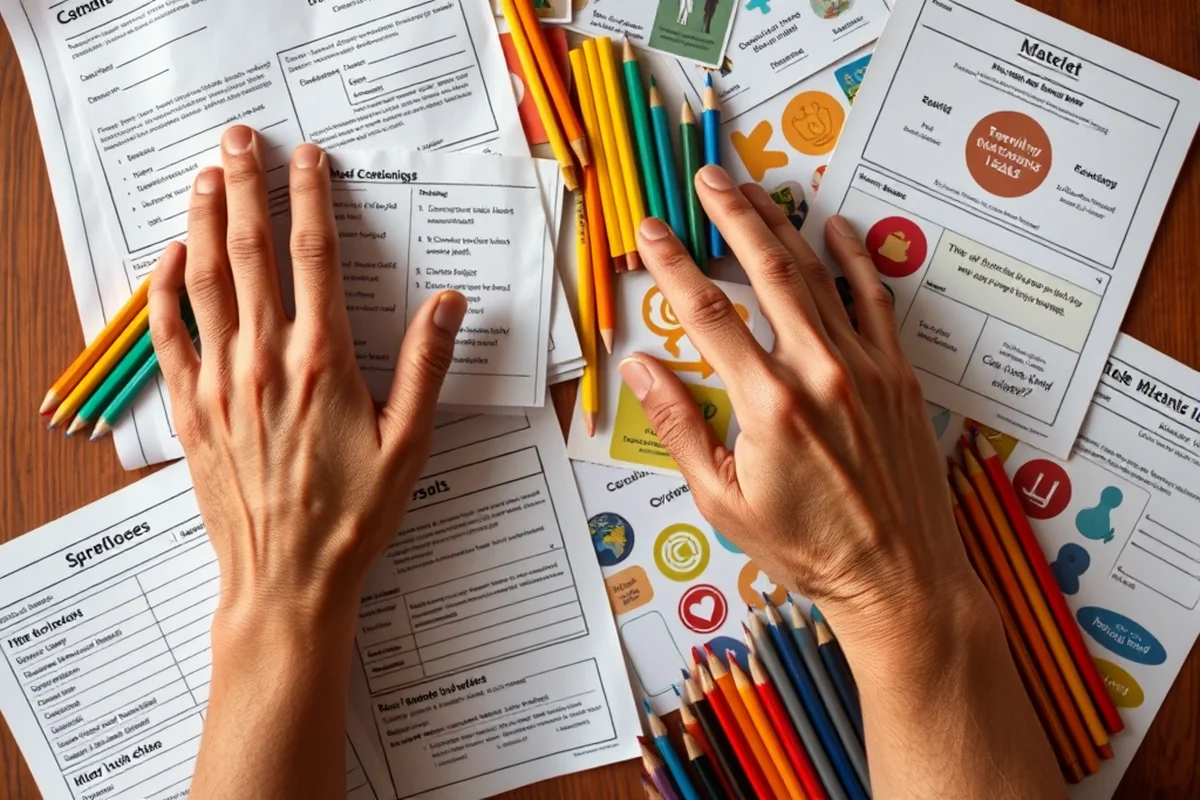
Children’s literature is a powerful tool for teaching good citizenship. Books with characters that demonstrate kindness, respect, and responsibility can help students understand these values in a relatable and engaging way. I once used a book about a group of children who worked together to help a neighbor in need, and it sparked a lively discussion about community and cooperation.
After reading the book, students were eager to apply the lesson in their own lives. They began helping each other with tasks in the classroom and even started a small initiative to support a local charity. The book served as a springboard for real-life learning and action.
Incorporating literature into citizenship lessons not only enhances comprehension but also encourages students to reflect on their own actions and consider how they can contribute positively to their community.
The Role of Reflection in Teaching Citizenship
Reflection is a crucial component of teaching good citizenship. It allows students to think about their actions, understand the impact of their behavior, and make better choices moving forward. I once introduced a weekly reflection journal where students wrote about their experiences and how they could improve in their role as a good citizen.
The journal became a valuable tool for both students and teachers. It helped students recognize their progress and identify areas where they needed to grow. Some students even used the journal to set personal goals, such as being more respectful or helping others more often.
Reflection encourages students to take ownership of their learning and development. It reinforces the values of good citizenship and helps them see how these values can be applied in everyday life.
Creating a Citizenship-Focused Classroom Environment
Creating a classroom environment that supports good citizenship is essential for reinforcing lessons and encouraging positive behavior. I once redesigned my classroom to include a section dedicated to citizenship, with posters that highlighted values like respect, responsibility, and kindness. The visual reminders helped students stay focused on these values throughout the day.
In addition to the posters, I introduced a citizenship award system where students could earn points for demonstrating good behavior. The system was simple but effective, and it encouraged students to take pride in their actions. I noticed a significant decrease in disruptive behavior and an increase in cooperative learning.
A classroom environment that emphasizes good citizenship can have a lasting impact on students’ behavior and character development. It provides a consistent and supportive context for learning and growth.
The classroom is a microcosm of the world—model the values you want to teach.
Engaging Families in Teaching Good Citizenship
Involving families in the teaching of good citizenship can be a powerful way to reinforce classroom lessons and create a more consistent learning environment. I once organized a family citizenship night where parents and children participated in activities that emphasized values like teamwork and respect. The event was a huge success and brought the community together.
Parents were excited to be involved, and many shared their own experiences of how they taught their children about good citizenship at home. The event not only strengthened the connection between school and home but also helped parents see the importance of modeling good behavior.
When families are actively involved in teaching good citizenship, it helps create a more supportive and consistent environment for students. It also encourages parents to be role models and reinforces the values taught in the classroom.
👶 Younger Kids (Ages 3-6)
Use colorful visuals and simple role-play to introduce concepts like sharing and kindness.
👦 Older Kids (Ages 7-12)
Encourage group projects and reflections that challenge students to think critically about their actions and impact.
📚 No-Prep Activities
Use existing books and classroom discussions to teach citizenship without additional materials or preparation.
👥 Group Version
Organize collaborative activities that require teamwork and problem-solving to reinforce the values of cooperation and respect.
🌱 Extension Activities
Encourage students to take their learning beyond the classroom with community service projects and real-world applications.
| The mistake | Why it happens | The fix |
|---|---|---|
| Using a one-size-fits-all approach for all students | Not all students have the same learning styles or understand citizenship concepts in the same way. | Use a variety of teaching methods and activities to cater to different learning preferences and developmental stages. |
| Focusing only on classroom behavior | Good citizenship involves more than just following classroom rules—it includes actions that benefit the community as a whole. | Incorporate real-world applications and community projects to teach the broader impact of good citizenship. |
| Not involving families in the process | Students are more likely to model good citizenship behaviors if they see their parents and guardians doing the same at home. | Invite families to participate in citizenship-related activities or provide resources for parents to use at home. |
| Neglecting the power of reflection | Without reflection, students may not fully understand the impact of their actions or how to improve. |
Teaching Good Citizenship Comparison
Common Questions
How can I make teaching good citizenship more engaging for students?
What are some age-appropriate ways to teach good citizenship?
How can I involve parents in teaching good citizenship?
What are the benefits of teaching good citizenship in the classroom?
References
- Teaching and Learning of Citizenship Education at the Junior ... (academia.edu)
- Fulbright Scholars | Fellowships for Research & Teaching Abroad (benefits.gov)
- Teaching for Global Ecological Citizenship: A Case Study of Rural ... (digitalcommons.kennesaw.edu)
- comparing digital citizenship perceptions of online students and (digitalcommons.liberty.edu)
Cite this guide
Teaching Citizenship to Students (2026). Teaching Good Citizenship Comparison. https://classroomwave.com/teaching-good-citizenship-comparison/
Feel free to cite or share this guide.