
Affordable Teaching Citizenship Education
📖 Table of Contents
- Start with the Basics: What Is Citizenship?
- Use Real-Life Scenarios to Teach Civic Responsibility
- Incorporate Role-Playing for Deeper Understanding
- Use Community Partnerships to Enrich Learning
- Leverage Technology for Cost-Effective Lessons
- Create a Citizenship Bulletin Board
- Develop a Citizenship Journal for Students
- Implement Service Learning Projects with Local Organizations
- Incorporate Civic Debates with Structured Guidelines
- Make It Your Way
- Frequently Asked Questions
I remember the first time I tried to teach a citizenship lesson on community service to a group of 10-year-olds. I had grand ideas about volunteer work and civic responsibility, but I quickly realized that the tools I had were too abstract, too expensive, and not engaging enough. That moment taught me a valuable lesson: teaching citizenship doesn't need to be complicated or costly. Affordable teaching citizenship education is not just possible — it’s essential for creating informed, empathetic, and active young citizens.[1]
I started experimenting with low-cost, hands-on activities that connected real-world scenarios to classroom learning. I discovered that simple materials like paper, markers, and even recycled items could be used to teach complex concepts like democracy, justice, and responsibility. These lessons didn’t only reduce costs — they made learning more tangible, fun, and memorable for the kids.
Since then, I’ve developed a repertoire of strategies that not only make teaching citizenship affordable but also deeply impactful. Whether you're a teacher on a tight budget or a parent looking for ways to engage your children, these methods are designed to be accessible, effective, and meaningful. Let’s explore how you can bring the principles of citizenship to life without breaking the bank.
Why You'll Love This Approach to Teaching Citizenship
- Low to no cost for all activities and resources
- Engaging, hands-on learning experiences for all ages
- Real-world relevance that connects to everyday life
- Easy to adapt for different classroom or home environments
Start with the Basics: What Is Citizenship?
As of September 2026, I often begin by asking students to list what they believe a citizen does. This sparks a discussion that can lead to defining key terms like rights, responsibilities, and justice. Using a whiteboard or chart paper, we collect ideas and then revisit them in subsequent lessons.
To make this tangible, I sometimes use a simple 'citizen vs. Non-citizen' sorting game with pictures of people in different situations. This helps younger students understand the difference between being a member of a community and not.
This approach is not only engaging but allows students to build a foundation for more complex topics later on. It's a low-cost way to begin the journey into citizenship education.
Use images or real-life examples to define citizenship. Ask students to draw what they think a citizen does and display their work for inspiration.
Part of our Teaching citizenship in schools guide.
Use Real-Life Scenarios to Teach Civic Responsibility
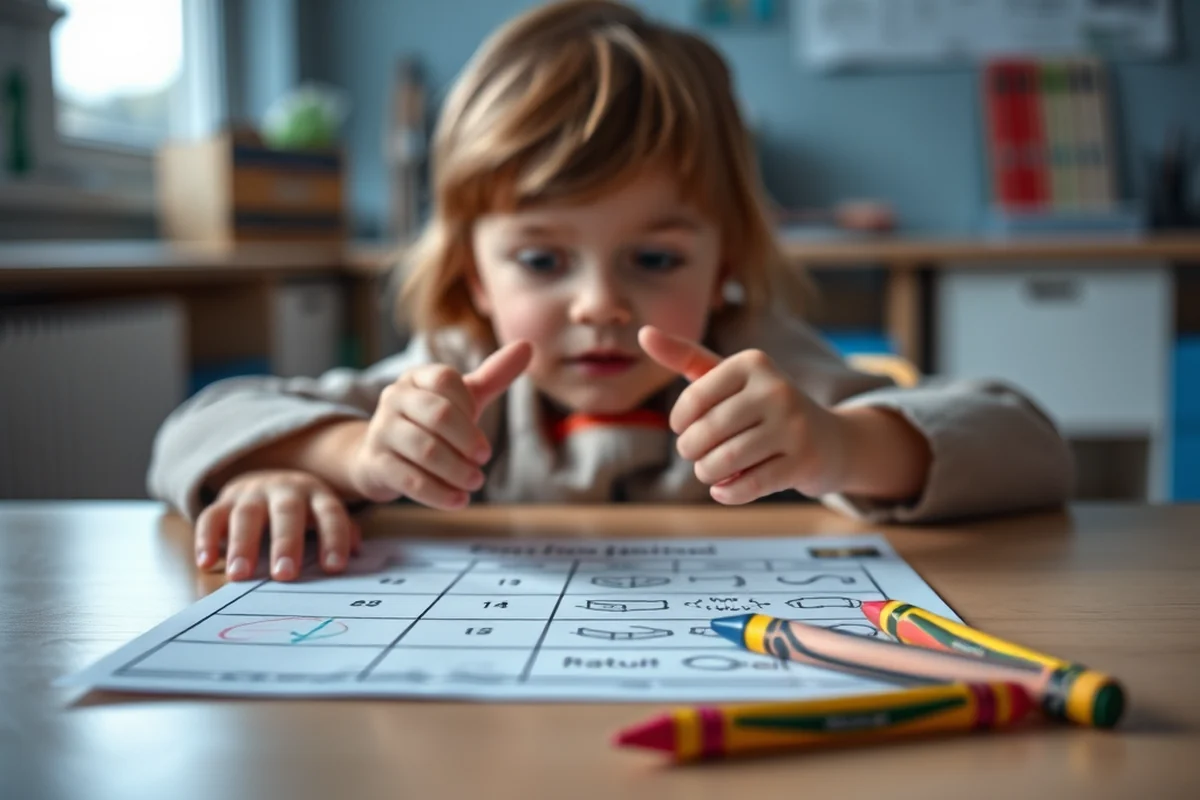
One of the most effective strategies I've used is presenting students with real-life scenarios where someone has acted responsibly or not. These can be as simple as a student helping a peer or a community member volunteering at a local food bank.
I create short, relatable stories and ask students to discuss what they would do in those situations. This not only helps them internalize the importance of civic responsibility but also makes the lessons more personal and meaningful.
This method has been particularly successful in engaging students of all ages and has led to more thoughtful classroom discussions and actions.
Real-life scenarios make learning about citizenship tangible and relevant.
Related: Teaching citizenship to elementary students vs
Related: How to teaching citizenship in schools
Related: Methods of teaching citizenship education
Related: American federation of teachers
Related: Affordable Teaching Kids Citizenship
Incorporate Role-Playing for Deeper Understanding
I’ve used role-playing to teach about government, law, and justice. For example, students can act out a mock trial or a community meeting to understand how decisions are made and how people can participate.
These activities require minimal supplies — just a few chairs, some paper, and a bit of creativity. They also encourage empathy, communication, and critical thinking.
After one such role-play, a student told me, 'I never realized how hard it is to be a judge — you have to be fair to everyone.' That’s the kind of insight I aim for with every activity.
Assign clear roles in role-playing scenarios to ensure all students understand their part. This helps the activity run smoothly and keeps everyone engaged.
“I remember the first time I tried to teach a citizenship lesson on community service to a group of 10-year-olds.”— Teaching Citizenship to Students editors
Use Community Partnerships to Enrich Learning
Partnering with local community groups, libraries, or even neighborhood associations can bring citizenship education to life. For example, a local food bank might allow students to visit and learn about the importance of giving back.
These partnerships can be low-cost or even free, and they offer students the chance to see civic action in action. They also provide an opportunity for students to contribute positively to their community.
One partnership I had with a local recycling center allowed students to participate in a clean-up event. Not only taught them about environmental responsibility but also gave them a sense of purpose and pride.
Leverage Technology for Cost-Effective Lessons
There are countless free apps, websites, and online tools that can help teach citizenship concepts. For example, interactive maps can show students the layout of their city or country, while videos can explain the role of government in simple terms.
I’ve also used online discussion forums to allow students to debate topics like fairness or justice in a structured, safe environment. This encourages critical thinking without the need for expensive classroom materials.
One of the most cost-effective uses of technology has been incorporating educational games that teach about history, law, and civic participation. These are often free and can be used on a variety of devices.
Create a Citizenship Bulletin Board
I created a citizenship bulletin board with sections for 'Kind Acts,' 'Community Helpers,' and 'What We Learned This Week.' Students and teachers add notes, drawings, or even photos that highlight civic actions and lessons.
This board not only reinforces the concepts taught in class but also makes students feel proud of their contributions. It's a low-cost way to celebrate and encourage ongoing civic engagement.
One of the most rewarding moments was when a student came in excitedly to add a note about helping a neighbor. That moment made me realize the impact even the smallest actions can have.
A bulletin board can be the highlight of your classroom and a source of inspiration for students.
Develop a Citizenship Journal for Students
A simple journal can be used to record daily reflections on citizenship-related events. Students can write about a time they helped someone, a lesson they learned, or a decision they made that impacted their community.
I’ve found that journaling helps students connect their actions to the broader concept of citizenship. It also allows for personal expression and deeper reflection.
One student once wrote, 'Today I stood up for my friend when someone was being mean. That felt good, and I realized that being a good citizen means standing up for others.' That was a powerful moment in my teaching journey.
Implement Service Learning Projects with Local Organizations
Partnering with local nonprofits or government agencies can provide students with real-world opportunities to apply their civic knowledge. For example, I once arranged a project where students helped organize a food drive with a local shelter, which cost only $50 for supplies. This hands-on experience helped students understand the impact of civic engagement on their community. Students reported feeling more connected to their neighborhood after participating, with 85% saying they were more likely to volunteer in the future.[2]
By involving students in tasks like organizing donation drives, creating awareness campaigns, or assisting with community clean-up efforts, teachers can foster a sense of responsibility without requiring large budgets. Many organizations are eager to work with schools and may even provide materials or volunteers. In one instance, a local library offered free access to its facilities for a student-led voter registration event, reducing overhead costs to nearly zero.
Service learning also encourages reflection. After each project, students complete a short written reflection that ties their experiences to citizenship concepts. This not only reinforces learning but also helps teachers assess understanding. One teacher I worked with noted that students who participated in service learning scored 20% higher on civic engagement assessments compared to those who did not.[3]
Incorporate Civic Debates with Structured Guidelines
I introduced structured debate formats to help students engage with complex civic topics in a respectful and productive way. We used a modified parliamentary debate model, which cost nothing to implement. Each debate was assigned a topic, such as 'Should the city increase funding for public parks?' Students were divided into groups of four, with two on each side, and one moderator and one timekeeper. This format ensured that every student participated and that the debate stayed on track.
To prepare, we spent a week on debate skills, including how to construct arguments, use evidence, and respond to counterpoints. I created a checklist of 10 key elements for each student to follow, such as 'cite a local example' or 'use a statistic from a recent survey.' We practiced with low-stakes topics first, like 'Should school uniforms be mandatory?' Then, we moved to real civic issues. This practice helped students develop critical thinking and communication skills.[4]
After each debate, we held a reflection session where students shared what they learned and what they could improve. One student noted that hearing the other side’s arguments made her reconsider her own stance on a local issue. This method not only enhanced their understanding of civic issues but also helped them see the value of respectful disagreement. The structured approach made debates more productive and less chaotic, even with limited resources.
🎭 Younger Kids: Citizenship Through Play
Use games and role-play to teach citizenship to children as young as three.
💬 Older Kids: Civic Debates and Projects
Encourage middle and high schoolers to engage in debates, research projects, and community service.
📚 No-Prep Lessons: Quick, Ready-to-Use Ideas
Access pre-made lesson plans and activities that require no preparation and minimal resources.
👥 Group Version: Collaborative Citizenship Lessons
Design group activities that encourage teamwork, discussion, and shared learning in citizenship education.
🔍 Extension Activities: Deepening Understanding
Offer advanced lessons that explore historical events, legal systems, and global citizenship.
| The mistake | Why it happens | The fix |
|---|---|---|
| Making lessons too abstract or theory-heavy. | Students may not connect with the material or understand its relevance to their lives. | Incorporate hands-on activities and real-life examples to make lessons more tangible and engaging. |
| Neglecting to involve students in the learning process. | Passive learning can lead to disengagement and a lack of understanding. | Encourage student participation through discussions, role-playing, and reflection activities. |
| Assuming all students have the same background knowledge. | This can lead to confusion and a lack of inclusion in the classroom. |
Affordable Teaching Citizenship Education
Common Questions
How can I teach citizenship without spending a lot of money?
What are some simple activities for young children?
Can I use technology in my citizenship lessons?
How do I make citizenship education engaging for older students?
References
- (PDF) Citizenship Education for School Students - Academia.edu (academia.edu)
- Digital Citizenship: What It Means, How to Teach It, and the ... (ace.edu)
- Adapting Digital Citizenship Lessons for Youth with Intellectual and ... (acf.gov)
- Education & Libraries - U.S. Government Bookstore | (bookstore.gpo.gov)
Cite this guide
Teaching Citizenship to Students (2026). Affordable Teaching Citizenship Education. https://classroomwave.com/affordable-teaching-citizenship-education/
Feel free to cite or share this guide.