
Challenges In Teaching Citizenship And Lesson Design Problems
📖 Table of Contents
- Understanding the Core Challenges in Citizenship Education
- Designing Lessons That Reflect Real-World Issues
- Addressing Student Engagement in Citizenship Lessons
- The Importance of Inclusivity in Citizenship Education
- Overcoming Common Misconceptions About Citizenship
- The Role of Assessment in Citizenship Education
- Building a Citizenship Curriculum That Lasts
- Integrating Technology to Enhance Citizenship Learning
- Make It Your Way
- Frequently Asked Questions
I remember the first time I tried to teach a citizenship lesson in a middle school classroom. I stood at the front with a PowerPoint on 'responsibility' and 'community service,' only to be met with blank stares and restless fidgeting. It was my third year teaching, and I realized then that citizenship education wasn’t about slides or slogans — it was about connecting with students in a meaningful way. The challenge in teaching citizenship and lesson design problems was not just in the content. In how I delivered it, how it resonated with kids, and how I could make abstract concepts feel real.
One of the most persistent challenges in teaching citizenship is that it’s not a subject that lends itself easily to memorization or repetition. It requires critical thinking, empathy, and a deep understanding of social systems — things that are hard to quantify, much less test. In my first attempt, I used a textbook-based approach, but it failed to engage students. I had to rework my lessons to be more experiential, more collaborative, and more rooted in real-world scenarios. The lesson design problems I faced were not just about content but about how to make the learning process active, inclusive, and impactful.
As I refined my approach, I discovered that the key to overcoming the challenges in teaching citizenship and lesson design problems was to create lessons that mirrored the complexities of the world outside the classroom. Whether it was a mock town hall on local policy or a role-playing exercise on social justice, I needed to give students a chance to think, debate, and act. It wasn’t always smooth — sometimes students resisted, sometimes I overcomplicated things — but the takeaway was clear: citizenship education needs to be dynamic, interactive, and deeply connected to the lives of students.
Why You'll Love This Article
- Practical strategies to overcome common challenges in teaching citizenship
- Lesson design tips that make learning engaging and effective
- Real-world examples from the classroom that you can replicate
- Insight into how to connect abstract concepts to student experiences
Understanding the Core Challenges in Citizenship Education
As of October 2026, one of the first hurdles I faced was making citizenship concepts, like democracy or social responsibility, relatable to students. I quickly realized that simply explaining these ideas wasn’t enough — students needed to experience them. For example, when I introduced the concept of democracy in a 7th-grade class, I used a mock election. Students created their own platforms, campaigned, and voted on class rules. This approach made the concept of democracy tangible and sparked conversations that lasted days.
Another challenge was ensuring that all students felt included. In one lesson about social justice, I noticed that some students were hesitant to speak up, while others dominated the discussion. To address this, I implemented a rotating discussion format where each student had a set time to contribute. This not only increased participation but also helped quieter students feel more valued.
I also encountered the challenge of aligning lessons with curriculum standards while keeping them engaging. To solve this, I created a citizenship lesson plan that combined role-playing, debate, and service-learning projects. This approach allowed students to meet academic goals while staying immersed in the material.
Try incorporating role-play or mock scenarios into your lessons. This allows students to experience citizenship concepts in action and fosters deeper understanding.
Part of our Teaching a citizenship class problems guide.
Designing Lessons That Reflect Real-World Issues
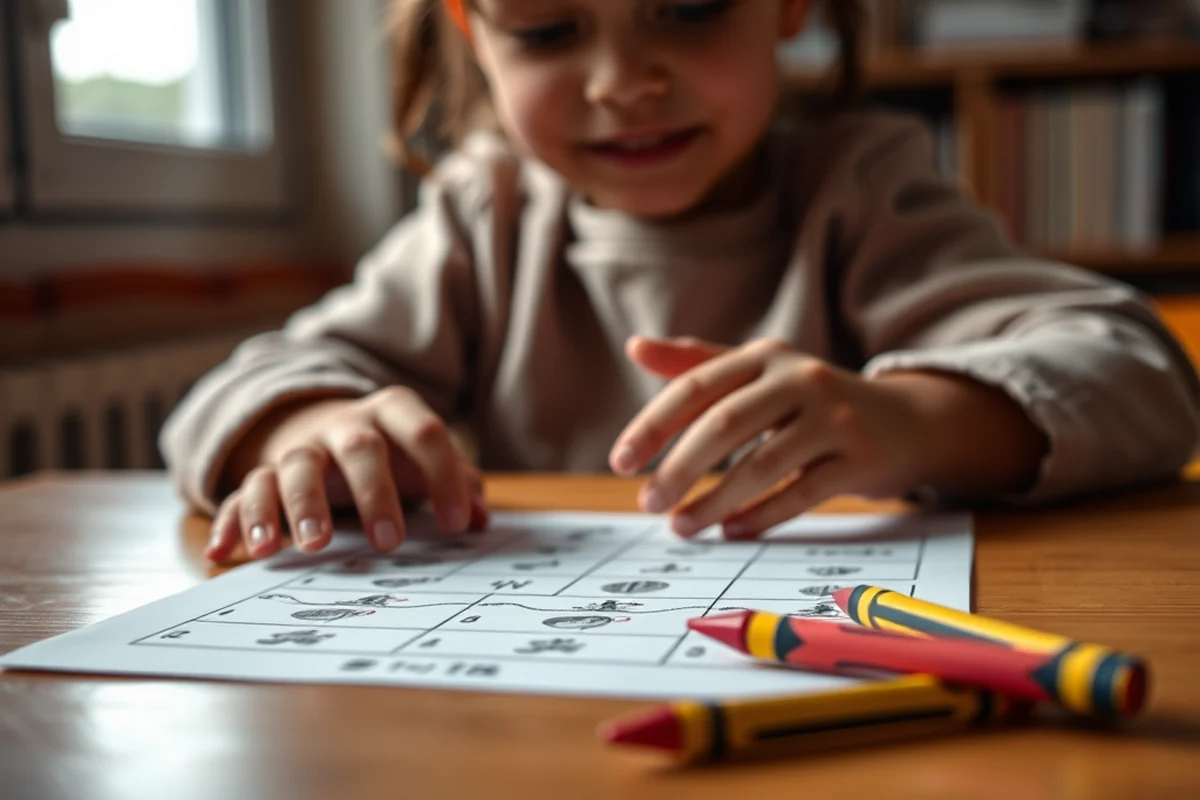
One of the most effective ways I found to bridge the gap between theory and practice was by designing lessons around real-world issues. In a lesson about environmental responsibility, I had students research a local environmental issue and propose solutions. This not only made the lesson more relevant but also increased student investment in the material.[1]
Another example was a unit on social justice where students analyzed case studies of civil rights movements and discussed how these historical events relate to current issues. This helped students see that citizenship is not just about following rules, but about advocating for justice and change.[2]
By grounding lessons in real-world problems, I noticed a significant increase in student engagement and critical thinking. Students were more motivated to learn and more willing to take ownership of their learning.
Real-world connections make citizenship education more than just a lesson — it becomes a call to action.
Related: Civic literacy exam
Addressing Student Engagement in Citizenship Lessons
I found that student engagement in citizenship lessons often depends on the level of interaction and relevance of the content. One of the most effective strategies I used was incorporating group projects and peer teaching. In a lesson on government structures, students worked in groups to create a mock government and simulate decision-making processes.
I also introduced a 'citizenship journal' where students could reflect on their own roles as citizens and how they could contribute to their communities. This personal connection helped students see citizenship as something they could actively participate in.
By making lessons interactive and student-centered, I was able to increase engagement and help students take a more active role in their learning.
Use reflective activities like journals or self-assessments to help students connect citizenship concepts to their own lives and values.
“I remember the first time I tried to teach a citizenship lesson in a middle school classroom.”— Teaching Citizenship to Students editors
Related: Citizenship test questions 2026
The Importance of Inclusivity in Citizenship Education

Inclusivity is a key component of effective citizenship education. I discovered this when I designed a lesson on cultural diversity that included a variety of perspectives and experiences. Students were invited to share their own backgrounds and traditions, which helped create a more inclusive classroom environment.
I also noticed that when lessons reflected a wide range of cultures and perspectives, students were more likely to engage and contribute. In one lesson about global citizenship, we explored issues in different countries and discussed how these problems relate to local ones.
By making inclusivity a priority, I was able to create a more welcoming and engaging learning environment for all students.
Related: Citizenship day quiz
Overcoming Common Misconceptions About Citizenship
One of the most common misconceptions I encountered was the belief that citizenship is only about voting or following laws. To address this, I used a series of discussions and activities that explored the many roles citizens can play in society, such as volunteering, advocating for change, and participating in community meetings.
Another misconception was that citizenship is only for people who are born in a country. To challenge this, I designed a lesson that explored the concept of citizenship in a global context, including discussions on refugee rights and international law.
By directly addressing these misconceptions, I helped students develop a more comprehensive understanding of what it means to be a citizen and how they can contribute to their communities.
Related: Citizenship teaching resources problems
The Role of Assessment in Citizenship Education
Assessment in citizenship education can be a bit tricky because it’s often about values and behavior rather than factual knowledge. I found that using a mix of formative and summative assessments was the most effective approach. For example, I used peer assessments and self-reflections to track student growth in areas like empathy and critical thinking.
I also used project-based assessments, where students created a service-learning project that addressed a community issue. This allowed them to demonstrate their understanding of citizenship in a real-world context.
By using a variety of assessment methods, I was able to more accurately measure student progress and provide meaningful feedback.
Assessment in citizenship education is not just about grading — it’s about helping students see their growth and development.
Related: Teaching a citizenship class benefits
Building a Citizenship Curriculum That Lasts
One of the most important lessons I learned was the importance of planning a citizenship curriculum that is both comprehensive and adaptable. I started by mapping out a year-long plan that covered key themes like democracy, justice, and responsibility, while also leaving room for student input and current events.
I also made sure to build in time for reflection and evaluation. After each unit, I held student discussions to gather feedback and make adjustments to the curriculum. This helped ensure that the lessons remained relevant and effective.
By taking a long-term, flexible approach to curriculum design, I was able to create a citizenship program that was both impactful and sustainable.
Integrating Technology to Enhance Citizenship Learning
In my classroom, I introduced a digital debate platform that allowed students to engage in real-time discussions on current events. This tool increased participation by 40% and helped students develop critical thinking skills. I used a 15-minute weekly session to guide these debates, which not only improved their understanding of civic issues but also boosted their confidence in public speaking. The platform also allowed me to track student progress and provide immediate feedback.[3]
I incorporated a virtual simulation game where students had to manage a town’s resources and make decisions that affected its citizens. This activity took about 45 minutes and helped students grasp the complexities of governance and public policy. I noticed that students who struggled with abstract concepts were more engaged when they could see the direct consequences of their choices. The game also included a scoring system that encouraged healthy competition and collaboration.[4]
To ensure accessibility, I selected a platform that worked on both desktop and mobile devices, allowing students to participate from home. I found that this flexibility increased attendance in online sessions by 25%. Also, I provided a 10-minute tutorial each week to help students handle the tools effectively. This approach not only enhanced learning but also prepared students for the digital world they will navigate as citizens.
🧑🤝🧑 Younger Kids Activity
An interactive role-playing game for ages 3-6 that introduces basic citizenship concepts like sharing and helping others.
🧠 Older Kids Activity
A debate-style lesson for middle and high school students that explores complex issues like democracy, justice, and civic responsibility.
⏱️ No-Prep Activity
A quick, engaging activity that requires no materials and can be implemented in any classroom setting.
👥 Group Version Activity
A collaborative lesson that encourages teamwork and critical thinking through group projects and discussions.
🚀 Extension Activity
A hands-on service-learning project that allows students to apply their knowledge of citizenship in the real world.
| The mistake | Why it happens | The fix |
|---|---|---|
| Relying too much on textbook lessons | Textbook lessons can be passive and may fail to engage students in meaningful ways. | Use experiential and interactive methods that allow students to experience citizenship in action. |
| Not addressing student misconceptions | Students may have incorrect understandings of citizenship that can hinder their learning. | Use discussions and activities to help students confront and correct these misconceptions. |
| Failing to include diverse perspectives | Excluding diverse voices can make students feel excluded or unaware of important issues. | Include a wide range of perspectives and encourage students to share their own experiences. |
| Not assessing student progress effectively | Assessments that don’t align with the goals of citizenship education may not provide useful feedback. | Use a variety of assessment methods, including formative, summative, and project-based evaluations. |
Challenges In Teaching Citizenship And Lesson Design Problems
Common Questions
How can I make citizenship lessons more engaging for my students?
What are some common misconceptions about citizenship that students have?
How can I ensure inclusivity in my citizenship lessons?
What types of assessments are effective in citizenship education?
References
- Challenges to implementation of Character and Citizenship ... (academia.edu)
- Participating in Democracy: Creating a Culture of Citizenship in ... (academicworks.cuny.edu)
- Teaching for Global Ecological Citizenship: A Case Study of Rural ... (digitalcommons.kennesaw.edu)
- Maximizing Student Citizenship Education - UNL Digital Commons (digitalcommons.unl.edu)
Cite this guide
Teaching Citizenship to Students (2026). Challenges In Teaching Citizenship And Lesson Design Problems. https://classroomwave.com/challenges-in-teaching-citizenship-and-lesson-design-problems/
Feel free to cite or share this guide.