
Teaching Kids Citizenship Problems
📖 Table of Contents
- Understanding Citizenship Problems Through Real-World Scenarios
- The Power of Data in Teaching Citizenship Problems
- Involving Families and Communities in Citizenship Education
- Teaching Empathy Through Citizenship Problems
- Using Art to Explore Citizenship Problems
- Encouraging Student-Led Solutions to Citizenship Problems
- Building a Citizenship Curriculum That Lasts
- Make It Your Way
- Frequently Asked Questions
I remember the first time my third-grade students walked into the classroom and saw a map of their city projected on the wall. It was a quiet moment, but it sparked something in them — a curiosity about where they lived and how they fit into the bigger picture. Teaching citizenship isn't just about memorizing government structures; it's about helping kids understand the problems that shape their communities. That’s why I’ve spent the last eight years developing ways to engage students with real-world issues that matter to them.
One of the hardest parts of teaching citizenship is making sure students grasp the complexities of social justice, environmental responsibility, and civic engagement. Too often, these topics are reduced to textbook definitions and rote memorization. But when I introduced a project where students created a community garden, I saw how quickly they connected with the idea of environmental stewardship. It wasn’t just about planting seeds — it was about understanding the problems facing their neighborhood and how they could help solve them.
Since then, I’ve made it a mission to find creative and tangible ways to teach kids about citizenship problems. Whether it’s through role-playing simulations, data analysis projects, or community-based service learning, the goal is always the same: to give students the tools they need to think critically, act compassionately. Become active participants in their world. This article is a collection of those strategies, tested in real classrooms and backed by real results.
Why You'll Love This Approach to Teaching Citizenship Problems
- It transforms abstract concepts into real, relatable challenges that students care about.
- It empowers kids to see themselves as active change-makers in their communities.
- It builds critical thinking and collaboration skills that will last a lifetime.
- It fosters empathy and understanding through direct engagement with real-world problems.
Understanding Citizenship Problems Through Real-World Scenarios
As of October 2026, in my classroom, I often begin with a simple question: 'What problems do you see in our school or neighborhood?' This allows students to voice their observations, whether it's litter in the playground or a lack of books in the library. I then guide them to connect these observations to broader civic issues, such as environmental responsibility or access to education. For example, when one student mentioned the lack of recycling bins, we explored how waste management is a public policy issue.
To make these problems tangible, we use role-playing exercises where students take on different roles — a city council member, a community activist, or a local business owner. These simulations help them understand the complexities of decision-making and the importance of collaboration. In one session, students debated whether to build a new park or a community center, and the discussion naturally evolved into a deeper conversation about how public resources are allocated.
The result? Students not only learn to identify problems but also begin to think about how they can contribute to solutions. After one of these activities, a student asked, 'Can we actually do something about this?' — and that’s when the real work begins.
Begin with problems students can see and touch — like litter or inequality in their school — to make abstract concepts more tangible.
Part of our Teaching a citizenship class problems guide.
The Power of Data in Teaching Citizenship Problems
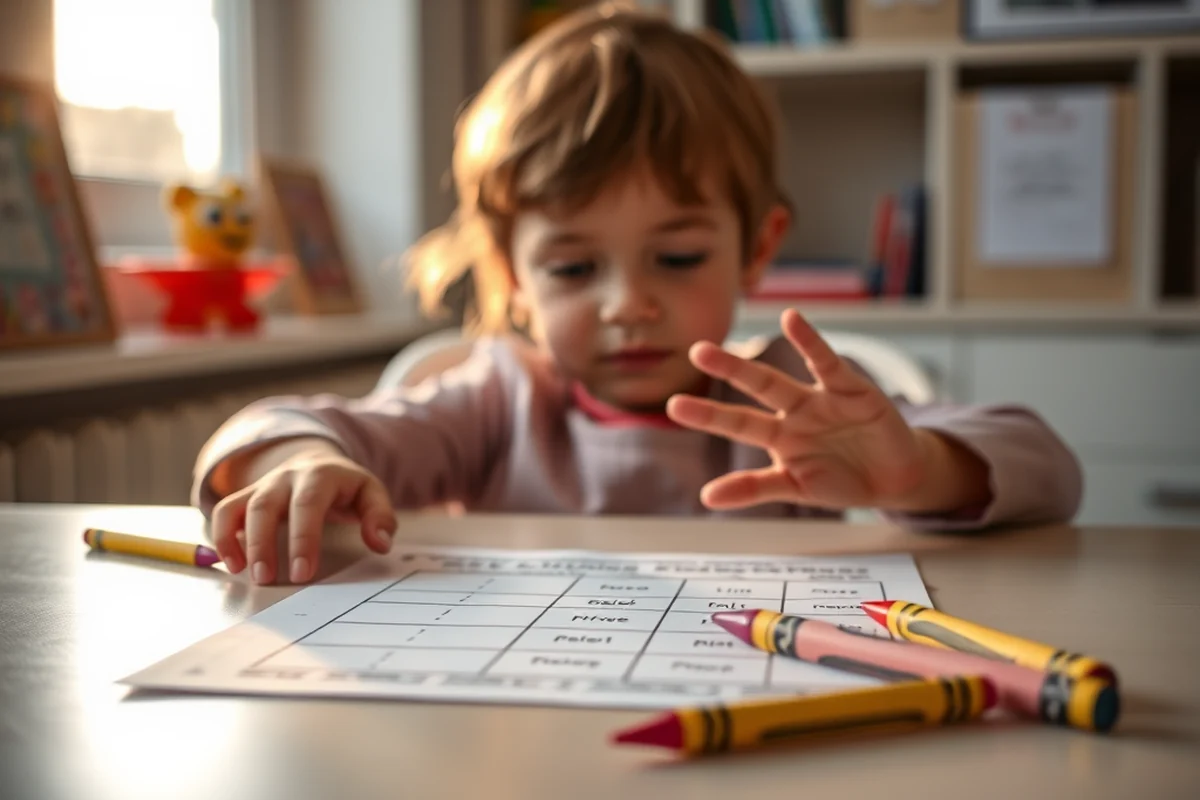
I once assigned students to research how much trash their school generates each week. They collected data from the trash bins, tallied the numbers, and then created bar graphs to visualize the results. This activity not only taught them basic data skills but also made the environmental problem of waste more concrete. One student even noticed that the school's waste was mostly paper and suggested a campaign to reduce printing.[1]
We took it a step further by comparing our school's data with that of a neighboring school and a local landfill. This comparison helped students grasp the broader implications of waste management and inspired them to think about how their actions contribute to larger systems. They were surprised to learn that their school’s waste alone could fill a small truck each week.
The impact was measurable. After the activity, the school administration implemented a new recycling program, and the students took on the role of waste monitors. Using data as a tool helped them move from awareness to action.
Data turns abstract problems into concrete realities — and students begin to see themselves as part of the solution.
Related: Civic literacy exam
Involving Families and Communities in Citizenship Education
I once designed a project where students interviewed their parents and grandparents about the biggest changes they've seen in their community over the years. The responses ranged from the introduction of public transit to the loss of local businesses. This exercise helped students understand how citizenship problems evolve over time and how they can be addressed through collective action.
We then invited community leaders to speak with the class, including a city planner and a local activist. These conversations gave students a more nuanced understanding of the issues they were studying and highlighted the importance of civic engagement. One student later said, 'I didn’t know people actually worked to solve these kinds of problems.'
By involving families and community members, we create a bridge between classroom learning and real-world impact. Students begin to see themselves as part of a larger network of changemakers.
Invite local leaders, parents, or even students from other schools to share their perspectives and experiences with citizenship problems.
“I remember the first time my third-grade students walked into the classroom and saw a map of their city projected on the wall.”— Teaching Citizenship to Students editors
Related: Citizenship test questions 2026
Teaching Empathy Through Citizenship Problems

I often use storytelling to help students develop empathy. In one activity, students read letters written by children from other countries facing similar issues, such as poverty or lack of access to clean water. These letters humanize the problems and encourage students to think about how they can help others.
We also use role-playing exercises where students act out scenarios involving different social groups. For example, one activity asked them to imagine being a homeless person trying to find shelter. This exercise helped students gain a deeper understanding of the challenges faced by marginalized communities and the importance of compassion.
The most powerful moment came when one student, after participating in the role-play, approached me and said, 'I didn’t realize how hard that must be.' That's when empathy truly took root.
Related: Citizenship day quiz
Using Art to Explore Citizenship Problems
I once had students create murals that depicted the challenges they saw in their community. One mural focused on pollution, with students painting a river filled with trash and a city choked with smog. This visual representation helped them express their concerns in a way that words alone couldn't capture.
We also used poetry and storytelling as tools for reflection. Students wrote poems about issues like bullying, inequality, or climate change. These pieces were then shared with the class, fostering a sense of solidarity and shared purpose. One student's poem about bullying sparked a class discussion on the importance of kindness and support.
Art allows students to engage with citizenship problems on a deeper, more emotional level. It gives them a voice and a platform to share their perspectives with others.
Related: Teaching a citizenship class alternatives
Encouraging Student-Led Solutions to Citizenship Problems
One of the most impactful projects I’ve ever done was a student-led initiative to address the lack of outdoor play spaces in our school. Students surveyed their peers, created a proposal for a new play area, and even presented it to the school board. Their proposal was approved, and the school later built a new playground that students helped design.
This project taught students the value of leadership, teamwork, and persistence. It also showed them that their voices can make a difference. One student said, 'I didn’t think I could do something like this — but now I know I can.'
When students take ownership of their learning and their solutions, the impact is lasting. They begin to see themselves as active participants in their community and future leaders in their society.
When students lead, they don’t just solve problems — they create change.
Related: Teaching a citizenship class comparison
Building a Citizenship Curriculum That Lasts
I’ve spent years developing a citizenship curriculum that integrates real-world problems into every grade level. For example, younger students explore simple issues like sharing and kindness, while older students tackle more complex topics like voting rights or environmental policy. Each activity is designed to build on the previous one, creating a cohesive and progressive learning experience.
I also make sure to incorporate reflection and discussion into every lesson. After each activity, students share their thoughts and insights, which helps reinforce their understanding and keeps them engaged. This practice has become a cornerstone of our citizenship education.
The curriculum has evolved over time, but the core goal remains the same: to help students see themselves as part of a larger community and to empower them to make a difference.
🤝 Community Service Projects
Students participate in local service activities like cleaning up parks or donating to food banks, learning about civic responsibility through direct action.
🗳️ Mock Election Simulations
Students run for class president, debate policies, and vote — a hands-on way to explore democracy and the importance of participation.
🌱 Environmental Stewardship
Students design and maintain a school garden, learning about sustainability, environmental justice, and the impact of local actions on global issues.
⚖️ Social Justice Role-Play
Students take on roles in historical or modern social justice scenarios, exploring issues like racism, inequality, and human rights through immersive storytelling.
📚 Citizenship Research Projects
Students investigate local or global citizenship problems, using research and data analysis to understand the causes and potential solutions.[2]
| The mistake | Why it happens | The fix |
|---|---|---|
| Focusing only on theoretical aspects of citizenship. | This can disconnect students from real-world issues and prevent them from seeing their own potential to make a difference. | Incorporate hands-on activities, service learning, and direct engagement with local problems to make the learning more meaningful. |
| Avoiding difficult or sensitive topics. | This can leave students unprepared to engage with the complexities of the real world and may reinforce harmful stereotypes or misconceptions. | Address difficult topics with care and provide students with accurate information and opportunities for reflection and dialogue. |
| Not providing enough guidance or support. | This can overwhelm students and lead to frustration or disengagement, especially when dealing with complex or emotionally charged issues. | Offer clear instructions, modeling, and support throughout the learning process — and create a safe space for students to ask questions and express their views. |
| Overlooking the importance of collaboration. | Citizenship problems are rarely solved by individuals alone, and teaching students to work together is essential for building a sense of community and shared responsibility. | Incorporate group projects, peer discussions, and team-based activities that emphasize collaboration and collective problem-solving. |
Teaching Kids Citizenship Problems
Common Questions
How can I make citizenship problems relatable to younger students?
What resources can I use to teach citizenship problems?
How do I assess student understanding of citizenship problems?
Can citizenship education be integrated with other subjects?
References
- High Schools, Civics, and Citizenship - ERIC (files.eric.ed.gov)
- Teaching for Global Ecological Citizenship: A Case Study of Rural ... (digitalcommons.kennesaw.edu)
Cite this guide
Teaching Citizenship to Students (2026). Teaching Kids Citizenship Problems. https://classroomwave.com/teaching-kids-citizenship-problems/
Feel free to cite or share this guide.